
This website was developed after its founder was diagnosed with Cervical Osteoarthritis and then some years later with Cervical Spondylosis. He continues to work effectively.
While Thoracic Outlet Syndrome (TOS), Cervical Osteoarthritis, and Cervical Spondylosis are distinct medical conditions, they often present similar symptoms in computer users and individuals with poor posture.
Common Symptoms
Pain, numbness, or tingling (paraesthesia) in the arm or hand
Shoulder pain and stiffness
Neck discomfort or tightness
Reduced mobility or strength in the upper limbs
These symptoms occur because all three conditions involve some compression or irritation of the nerves that travel from the neck down to the arms and hands.
What Causes These Conditions?
1. Thoracic Outlet Syndrome (TOS)
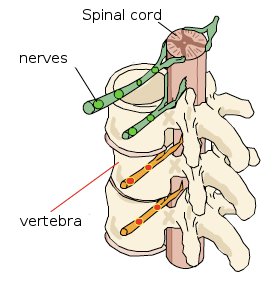
TOS occurs when nerves or blood vessels are compressed between the collarbone and the first rib, often due to muscle tightness, repetitive strain, or poor posture. This is particularly common in those who work long hours at a desk or computer.
2. Cervical Osteoarthritis
Also known as cervical facet joint arthritis, this condition involves degeneration of the joints in the neck, which can lead to inflammation and compression of nearby nerves.
3. Cervical Spondylosis
Cervical Spondylosis refers to age-related wear and tear of the spinal discs and vertebrae in the neck. Over time, discs lose hydration and flexibility, which may result in bone spurs, disc bulges, or nerve impingement.
Understanding the Cervical vs Thoracic Spine:
Cervical spine: The neck region of your spine (uppermost part), connecting the base of your skull to the rest of your back.
Thoracic spine: The upper and mid-back area, between the neck and the lower back.
Between each vertebra is a spinal disc – made up of a tough outer ring and a soft inner gel – that provides shock absorption and flexibility to the spine. Damage or degeneration in these discs can compress nearby nerves, causing pain or neurological symptoms in the arms, shoulders, or hands.
How Computer Use Contributes to These Conditions
Prolonged computer use—especially with poor posture—can:
Misalign the cervical spine
Tighten muscles in the neck, shoulders, and upper back
Exacerbate nerve compression and inflammation
Common workplace triggers include:
Forward head posture
Rounded shoulders
Extended mouse and keyboard use without breaks
Smartphone overuse, especially with the neck tilted downward
- Heavy work shoulder bags
Poor posture at the computer, over a long period, is often the source of these conditions, for example:-
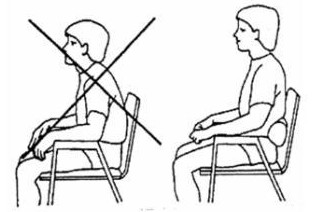
Imagine what happens to the cervical spine (neck bones) when in a slouching position for hours at a PC!
The spine is forced back on itself and when held in this position for long periods of time, frequently over years can result in accelerated wear and tear damage – reduction in disc height, spurs on the bone surfaces etc. This can trap nerves and cause pain.
Thoracic Outlet Syndrome (TOS)
 One of the primary causes of TOS is poor posture, especially slouching while sitting or working at a computer for long periods. Over time, poor spinal alignment compresses the nerves and arteries in the thoracic outlet area, leading to symptoms.
In colder weather, the body naturally tenses up, which can tighten muscles around the neck and collarbone, further increasing the risk of nerve compression. Keeping your neck warm with a scarf or neck warmer can help prevent flare-ups.
How Is Thoracic Outlet Syndrome Diagnosed?
An excellent reference is Dr. Benjamin M. Sucher’s work, which explores the condition in depth and includes diagrams of diagnostic procedures.
Diagnosis should always be conducted by a medical professional. Specialized physical tests include:
Adson’s Test: Assesses compression by monitoring changes in your pulse while you turn your head and extend your arm.
Wright’s Test: Involves raising the arm to detect changes in pulse, helping pinpoint nerve or vascular compression.
These tests are quick, non-invasive, and specific to TOS.
⚠️ Important: Always seek a professional diagnosis before starting physiotherapy or any treatment.
Conservative Treatment Options for TOS
For most individuals, non-surgical treatment is effective and includes:
Deep heat therapy to relax tight muscles
Stretching exercises prescribed by a physiotherapist
Posture correction and ergonomic improvements
Avoid aggressive physical therapy without diagnosis, as improper exercises may worsen nerve compression.
Preventing TOS for Computer Users
Computer users are at increased risk of developing TOS due to prolonged poor posture and repetitive strain. To reduce this risk:
Use a height-adjustable chair with lumbar support
Keep your monitor at eye level
Use an ergonomic vertical mouse and compact keyboard
Position your arms close to your body, with elbows at a 90° angle
By improving computer ergonomics and maintaining good posture, you can reduce the likelihood of TOS and other related RSI conditions.
Cervical Osteoarthritis
Cervical Osteoarthritis—also known as neck arthritis—occurs when the cartilage and vertebrae in the cervical spine (neck) deteriorate over time. In computer users, this condition is often caused by poor posture and prolonged muscle tension, which accelerates disc narrowing, vertebral erosion, and ultimately nerve compression.
Symptoms of Cervical Osteoarthritis:
Pain, tingling, or numbness in the arms or hands, especially when looking up (e.g. gazing at the ceiling)
Neck stiffness, especially after sleeping or sitting in one position for long periods
Chronic discomfort at the base of the skull and neck
Increased pain when using a computer, mouse, or keyboard for extended periods
Causes and Diagnosis
Poor posture while using computers or smartphones is a common contributor to premature disc degeneration and vertebral collapse in the neck. The resulting compression may trap nerves that supply the hands and arms, especially when muscle tension increases during repetitive tasks.
Diagnostic Methods:
Physiotherapy to strengthen neck muscles and improve posture
Ergonomic improvements in your workstation setup
Wearing a neck warmer or scarf in cold weather
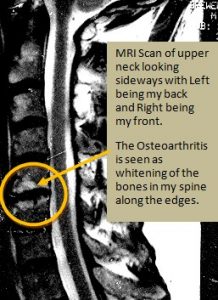
MRI scans are the most reliable tool for identifying cervical disc narrowing, bone erosion, and nerve compression.
Physical tests (like the “look up for 30 seconds” test) can indicate nerve involvement from cervical degeneration.
Did you know? Our founder’s MRI scan revealed early-onset Cervical Osteoarthritis caused by years of poor computer posture.
Treatment for Cervical Osteoarthritis
Cervical Osteoarthritis is a chronic condition, meaning it cannot be fully reversed—but its symptoms can be managed effectively.
Conservative Treatment Options:
Physiotherapy to strengthen neck muscles and improve posture
Ergonomic improvements in your workstation setup
Wearing a neck warmer or scarf in cold weather
Cervical Spondylosis
Cervical Spondylosis is a similar condition to Cervical Osteoarthritis as seen from the sufferer although not medically.
The vertebrae often develop rough areas of bone called osteophytes and where prominent they will interfere with the nerves travelling through the spine. So it is a similar physical scenario but the central core of nerves in the spine are being trapped rather than their exit to limbs and organs.
It is a chronic condition which is essentially advanced ageing and degeneration of the cervical spine. Conservative treatments are the usual course of action although where symptoms become extremely difficult for the patient, surgery is usually an option where more more space is created for the nerves and some of the vertebrae are fused together to prevent movement.
The symptoms can be very similar to the above and although the condition is chronic, symptoms can have acute flare-ups and also include some wider affects such as:-
- headache extending from the base of the skull over the top of the head
- more rarely, weakness or problems with walking or bladder function
Treatment for Cervical Spondylosis
This condition, like osteoarthritis, is also chronic and treatment is usually conservative based around protecting the neck, perhaps with physiotherapy, and removing or reducing aggravating activities.
Keeping the neck warm in the colder months with a scarf or neck warmer is essential. Cold weather is not a problem in itself but our body usually unconsciously tenses up muscles and it is this muscle tightening which puts further pressure on the damaged area.
Solutions for these conditions
Use a vertical ergonomic mouse and a compact keyboard. This setup ensures your arm remains close to your body, minimising strain. A true vertical mouse eliminates the twisting motion that often contributes to shoulder pain.
Switch to a backpack or, even better, a pull-along laptop or office bag to evenly distribute or eliminate the load on your shoulders.