

Writer’s Cramp, also known as hand cramp or focal hand dystonia, is a painful and often frustrating condition caused by overuse and muscle tension in the hand. It often affects professionals who write or type for extended periods — especially those using conventional computer mice or keyboards.
What Causes Writer’s Cramp?
Writer’s Cramp occurs when the muscles in the hand are held in a fixed, tense position for long periods. This can lead to:
Muscle spasms
Sudden muscle weakness
Involuntary clenching or twitching of the fingers
Cramping during fine motor activities such as typing or handwriting
Prolonged use of traditional mice and poor ergonomic setup can significantly contribute to this condition.
Common Symptoms of Writer’s Cramp
Hand fatigue or tightness during writing or typing
Cramping or spasms in the fingers, hand, or forearm
Difficulty gripping pens, a mouse, or typing normally
Muscles that give way or suddenly lose control
Ergonomic Solutions for Writer’s Cramp
Improving your workstation setup can dramatically reduce strain and aid recovery.
Recommended Tools:
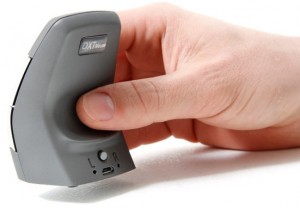
✅ Ergonomic vertical mouse, such as the DXT Mouse
Feels similar to holding a pen
Promotes a natural hand position
Reduces finger and wrist tension
Minimizes unnatural wrist angles
Allows hands to rest in a neutral position
Eliminates the need for constant typing
Reduces repetitive strain on the hand, wrist, elbow, and neck
Physiotherapy and Treatment
1. Rest and Recovery
Rest is crucial — though often difficult when your work depends on your hands. Taking frequent breaks and reducing repetitive motion is key to healing.
2. Physiotherapy
A qualified physiotherapist can provide relief through:
Massage therapy: From fingertips to the shoulder, neck, and upper spine
Stretching exercises: To release tight muscles and improve mobility
Postural corrections: Addressing long-term strain patterns across the arm and neck
Tips to Prevent Writer’s Cramp
Use ergonomic input devices (mouse and keyboard)
Avoid gripping writing tools or mouse too tightly
Take regular breaks
Perform hand and wrist stretches
Use voice dictation software to minimize typing load
Final Thoughts
Writer’s Cramp can significantly affect productivity and quality of life if left unaddressed. By combining ergonomic tools, rest, and physiotherapy, you can reduce pain, restore hand function, and prevent further injury.
If symptoms persist or worsen, consult a medical professional or hand specialist for a tailored treatment plan.