
Supportive Tools for RSI Relief
If you’re dealing with Tennis Elbow, Golfer’s Elbow, or neck pain—especially related to posture or repetitive strain—simple supports like elbow straps and neck collars can make a real difference. Here’s how they help and how to use them correctly.
Tennis & Golfer’s Elbow Straps
These handy straps are designed to relieve pain by gently compressing the forearm tendons just below the elbow. Whether you’re typing all day, lifting, or just overusing your arms, they can provide helpful support.
How to Wear an Elbow Strap:
Place it about 1–2 inches below the elbow joint—right over the forearm muscles.

The goal is to lightly squeeze the tendons before they connect to the bony areas of the elbow (on the inside for golfer’s elbow, outside for tennis elbow).
Think of it like a soft cable tie—it limits excessive tendon movement to reduce strain and allow healing.
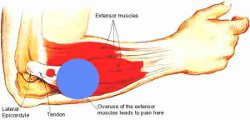
✅ These straps are especially useful during flare-ups, offering support while you rest and reduce activity on the affected arm.
Choosing the Right Strap:
A one-size-fits-all design usually works well for most people.
Some models come in multiple sizes, so be sure to check the circumference of your forearm before ordering.
And don’t be discouraged by those marketing photos of ultra-athletic arms—these products are just as effective for all body types.
Neck Collars for Short-Term Support
Dealing with neck tension, strain, or RSI-related pain? A soft neck collar can provide short-term relief by reducing movement and supporting the head—especially after a long day or while traveling.
When & How to Use a Neck Collar:
Wear it for short periods, such as an hour or two in the evening.
It can be especially helpful when you’re:
A passenger in a moving vehicle (reducing jerky movements)
Resting after a day of poor posture or neck fatigue
⚠️ Important: Neck collars are not meant for long-term use. Your neck muscles need to stay active and strong to properly support your head—so use collars sparingly, only as a recovery aid.
Final Thoughts
Both elbow straps and neck collars are simple, affordable tools that can provide real relief when used properly. They don’t replace professional care—but they can support healing and prevent further strain during your recovery.
Quick Recap:
Elbow straps help reduce tendon strain and are great during flare-ups.
Neck collars offer temporary support but shouldn’t be worn all day.
Always give your body time to rest—and don’t push through pain.
Straps & Supports Buying Guide
UK Suppliers 

-

Cervical Collar for Neck Pain
Cervical collar – 4 sizes
View UK supplier -

Cervical Collar for Neck Pain Lighter
Cervical collar – 4 sizes
View UK supplier -

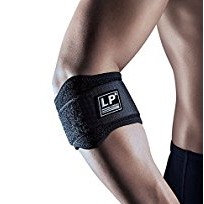
LP Extreme Tennis Elbow Support
Adjustable, 1 size fits all, for either arm. Reduces the pressure on the tendons at the elbow.
View UK supplier -

LP SUPPORT Tennis and Golfer Elbow Support
Adjustable, 1 size fits all, for either arm. Reduces the pressure on the tendons at the elbow.
View UK supplier



This website operates ‘not for profit’ with our costs being supported through the small commissions (typically 1 – 2%) that we receive from suppliers
USA Suppliers

-
Cervical Collar for Neck Pain
Cervical collar – various sizes
View USA supplier -

Vulkan Classic One Size Fits All Tennis Elbow Strap
Adjustable neoprene, 1 size fits all, for either arm. Reduces the pressure on the tendons at the elbow. Color may vary.
View USA supplier -

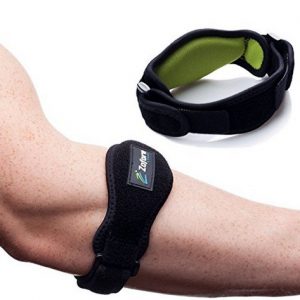
Zofore Tennis Elbow Brace 2 Pack
Adjustable, 1 size fits all, for either arm. Reduces the pressure on the tendons at the elbow.
View USA supplier

This website operates ‘not for profit’ with our costs being supported through the small commissions (typically 1 – 2%) that we receive from suppliers
Canadian Suppliers

-
Cervical Collar for Neck Pain
Cervical collar – various sizes
View Canadian supplier -
LP Extreme Tennis Elbow Support
Adjustable, 1 size fits all, for either arm. Reduces the pressure on the tendons at the elbow.
View Canadian Supplier -
LP SUPPORT Tennis and Golfer Elbow Support
Adjustable, 1 size fits all, for either arm. Reduces the pressure on the tendons at the elbow.
View Canadian Supplier -
Zofore Tennis Elbow Brace 2 Pack
Adjustable, 1 size fits all, for either arm. Reduces the pressure on the tendons at the elbow.
View Canadian Supplier
This website operates ‘not for profit’ with our costs being supported through the small commissions (typically 1 – 2%) that we receive from suppliers