
Frozen Shoulder (Adhesive Capsulitis) gives the game away in the title. It is reduced mobility of the shoulder joint.
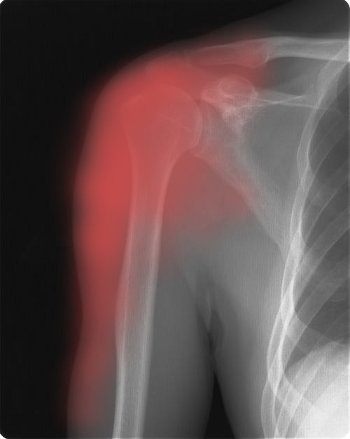
If you spend long hours at a desk or in front of a screen, you may begin to notice shoulder discomfort that worsens over time. Early signs often start subtly but can develop into more severe and chronic issues without proper intervention.
Early Symptoms of Shoulder Pain
A dull ache over the shoulder, particularly after long periods of computer use
Sharp pain during certain movements, such as lifting or reaching
Difficulty moving your hand behind your head or back (e.g., brushing your hair, reaching for a wallet)
Pain while raising your arm to shoulder height or bringing your hand to your mouth (e.g., eating or brushing teeth)
Worsening Symptoms
Increased pain at night, particularly when sleeping on the affected side
Discomfort typically felt on the outer shoulder and extending to the outer upper arm
Why Computer Users Experience Shoulder Pain
Prolonged use of computers and smartphones often results in poor posture and muscle imbalances, which place excess strain on:
Ligaments and tendons around the shoulder
Shoulder blade and upper arm positioning
Supporting muscles of the lower back and spine
Other Contributing Factors
A low back issue can cause tightening of muscles connecting the pelvis to the shoulder blade, further limiting mobility
Overreaching (e.g., for a mouse or keyboard) can lead to joint impingement and shoulder capsule trapping
Tension or pain in the elbow and forearm can result from compensatory muscle strain
Medical Conditions That Increase Risk
Be aware that Frozen Shoulder (Adhesive Capsulitis) may be complicated by some other medical conditions are linked to increased risk:
Diabetes
Neurological disorders
Inflammatory arthritis
Hypothyroidism
If you’re experiencing ongoing shoulder pain, it’s essential to consult a medical professional for an accurate diagnosis and to rule out underlying causes.
Stages of Frozen Shoulder
Frozen Shoulder typically develops and heals over a period of up to three years, progressing through the following stages:
1. Freezing Stage (2–9 months)
Inflammation causes scar tissue to form, leading to stiffness and reduced shoulder mobility.
2. Frozen Stage (4–9 months)
Adhesions form in the joint, causing the upper arm bone (humerus) to move less freely in the socket. Movement becomes severely restricted.
3. Thawing Stage (5 months–2 years)
Inflammation subsides, and mobility gradually improves with treatment and physical therapy.
Treatment and Management Tips
Do’s:
Consult your doctor for diagnosis and treatment options
Use painkillers and anti-inflammatory medications under medical guidance
Engage in gentle physiotherapy exercises designed to maintain and restore mobility
Improve your workstation ergonomics to reduce stress on the shoulder
Use tools like ergonomic chairs, vertical mice, and compact keyboards to minimize poor posture
Don’ts:
Do not “push through” the pain — forcing movement can worsen the condition
Avoid activities that strain or overstretch the shoulder
Don’t ignore symptoms — early intervention helps prevent long-term damage
Final Thoughts
If you’re experiencing shoulder pain related to computer use or prolonged sitting, it’s important to take it seriously. Whether you’re dealing with RSI, Frozen Shoulder, or postural imbalances, early action is key. Proper ergonomics, medical care, and physiotherapy can make all the difference in your recovery and long-term well-being.
Return to Shoulder Pain page and read now what you should do for your working environment