
Back Pain from Computer Use: Causes, Diagnosis, and Effective Treatments
Why Back Pain Happens from Computer Use

Back pain is a common complaint amongst computer users and office workers. One of the major causes is maintaining static postures—sitting or standing in the same position for long periods without adequate movement. This can lead to various forms of Repetitive Strain Injury (RSI), which often develop gradually and can become chronic if not addressed early.
Back Pain and RSI: Know the Warning Signs
Back pain from computer use can be a warning sign of chronic or other underlying health conditions. Always consider a professional evaluation to rule out more serious medical issues.
Ask yourself:
Do you spend long hours sitting or standing without moving?
Are you frequently working on a computer, driving, or operating equipment in a fixed posture?
Do you experience stiffness, fatigue, or pain in your back, shoulders, or neck?
If you answered “yes” to any of the above, it’s time to take action.
What Causes RSI-Related Back Pain?
RSI occurs when you’re unable to regularly change your posture or move your limbs. Over time, this causes muscles and tendons—the tissue that connects muscles to bones—to become overworked, fatigued, and painful.
Preventing Further Back Injury: Practical Tips for Everyday Life
Reducing the strain of static postures throughout your day is key to preventing back injuries and managing pain.
Optimise Your Workspace
If you spend long hours at a computer, assessing your PC set up and investing in an ergonomic vertical mouse and compact keyboard will significantly reduce stress from your neck to your hands. These devices are designed to minimise the risk of long-term posture-related repetitive strain injuries (RSI).
Carry Smart: Reduce Back Strain
If you frequently carry a laptop to and from work, consider using a wheeled laptop bag. This simple switch can reduce twisting and lifting strains on your shoulders and back, helping to prevent injury.
Take Breaks During Long Drives
Driving for extended periods can also contribute to back problems. Try to take short breaks during long journeys—just a couple of minutes to stretch and move can make a big difference in preventing stiffness and muscle fatigue.
Physical Therapy for a Stronger Back
Regular physiotherapy plays a vital role in restoring your muscles and tendons to their optimal condition for your age. But therapy isn’t a passive process—it requires daily effort, including exercises prescribed by your therapist and using supportive tools.
Vibration Therapy for Muscle Recovery
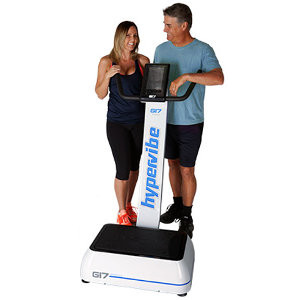
Vibration therapy is a technique widely used by physiotherapists. It works by sending vibrations through your muscles, which causes them to contract and stretch, improving blood flow and oxygenation. This method helps to tone and strengthen muscles with minimal effort on your part.
Our founder frequently uses vibration therapy devices and will carry a small handheld massager when travelling.
Vibration Therapy Buying Guide
UK Suppliers 

-

Compact 3D Vibration plate
High quality compact 3D vibration plate with wide range of settings.
View UK supplier -
Deep Tissue Massager
2 speed, 3m cable, non-slip handle. Portable. Excellent therapeutic device with great build quality.
View UK supplier -
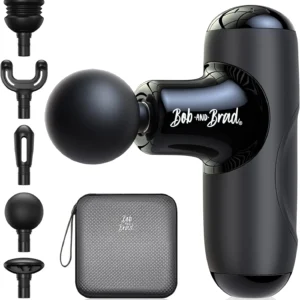
Percussion Massage Gun
5-speed, lightweight and portable powerhouse designed for on-the-go muscle recovery. Weighing just 1.5lbs, it’s easy to take anywhere.
View UK supplier -
Whole body professional vibration plate
Professional tri-plane clinical use machine with wide range of settings.
View UK supplier



This website operates ‘not for profit’ with our costs being supported through the small commissions (typically 1 – 2%) that we receive from suppliers
USA Suppliers

-

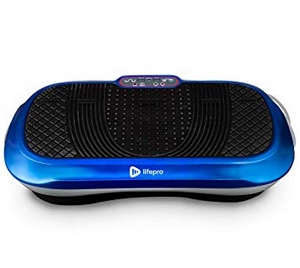
Compact Vibration plate
Good home sized whole-body 3D vibration plate with wide range of settings. Max. user weight: 330lbs. Easy to store.
View USA supplier -
Percussion Massage Gun
5-speed, lightweight and portable powerhouse designed for on-the-go muscle recovery. Weighing just 1.5lbs, it’s easy to take anywhere.
View USA supplier -
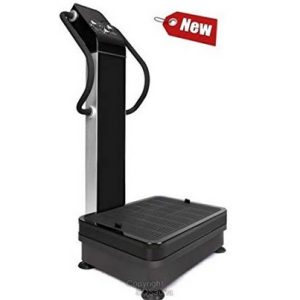
Whole body professional vibration plate machine
Professional tri-plane, clinical use machine with wide range of settings.
View USA supplier
This website operates ‘not for profit’ with our costs being supported through the small commissions (typically 1 – 2%) that we receive from suppliers
Canadian Suppliers

This website operates ‘not for profit’ with our costs being supported through the small commissions (typically 1 – 2%) that we receive from suppliers
Alternative back pain therapies
Some Doctors are more open minded about alternative therapies and even alternative diagnosis.
- Alexander Technique can be appropriate in reducing ongoing muscular tension, which is conventionally considered to be the cause of most RSI conditions.
- MindBody (Tension Myositis Syndrome) Treatment can be liberating and is highly recommended for those with diagnosed RSI conditions who are looking into the future with some gloom